The Devil's Nest, Monday Night
May. 4th, 2026 07:06 pm![[personal profile]](https://www.dreamwidth.org/img/silk/identity/user.png) texted3times posting in
texted3times posting in ![[community profile]](https://www.dreamwidth.org/img/silk/identity/community.png) fandomtownies
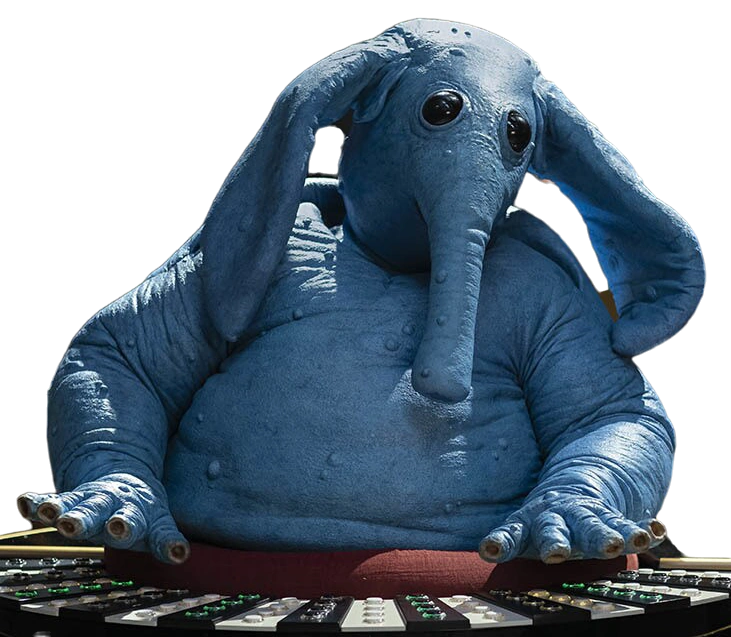
fandomtowniesThere was a live band tonight that Eric had not ordered. Tiny pleaded innocence entirely too quickly for it to be real, either. "What kind of music do they play?" Eric asked, looking confused by the plasticky blue elephant...thing playing a keyboard.
Tiny told him.
"It is not called that."
Tiny grinned.
"Well, that's probably why they were so cheap," Eric said.
Tiny told him how much they cost.
"Well, that's probably why it's coming out of your paycheck," Eric amended.
Welcome to the Devil's Nest. Enjoy the jizz band.
Tiny told him.
"It is not called that."
Tiny grinned.
"Well, that's probably why they were so cheap," Eric said.
Tiny told him how much they cost.
"Well, that's probably why it's coming out of your paycheck," Eric amended.
Welcome to the Devil's Nest. Enjoy the jizz band.